Grades 6–10 | Ages 11–16
The Years That Shape the Learner
A purposefully designed residential Middle Years Programme for the stage when independence, discipline, identity and confidence begin to take shape.
Why the Middle Years Matter
Between the ages of eleven and sixteen, children are no longer little, but they are not yet fully grown. These are the years when they begin to ask who they are, what they are good at, where they belong and whether they are capable.
Children in the middle years do not simply need to be pushed harder. They need to be guided thoughtfully, challenged wisely and known deeply.
That is at the heart of the Middle Years Programme at GSIS: academic rigour shaped around the individual learner, independence developed within structure and high expectations supported by a residential community that sees the whole child.
The MYP is the stage where curiosity becomes disciplined thinking, organisation becomes confidence and friendships become daily opportunities to practise empathy, responsibility and leadership.
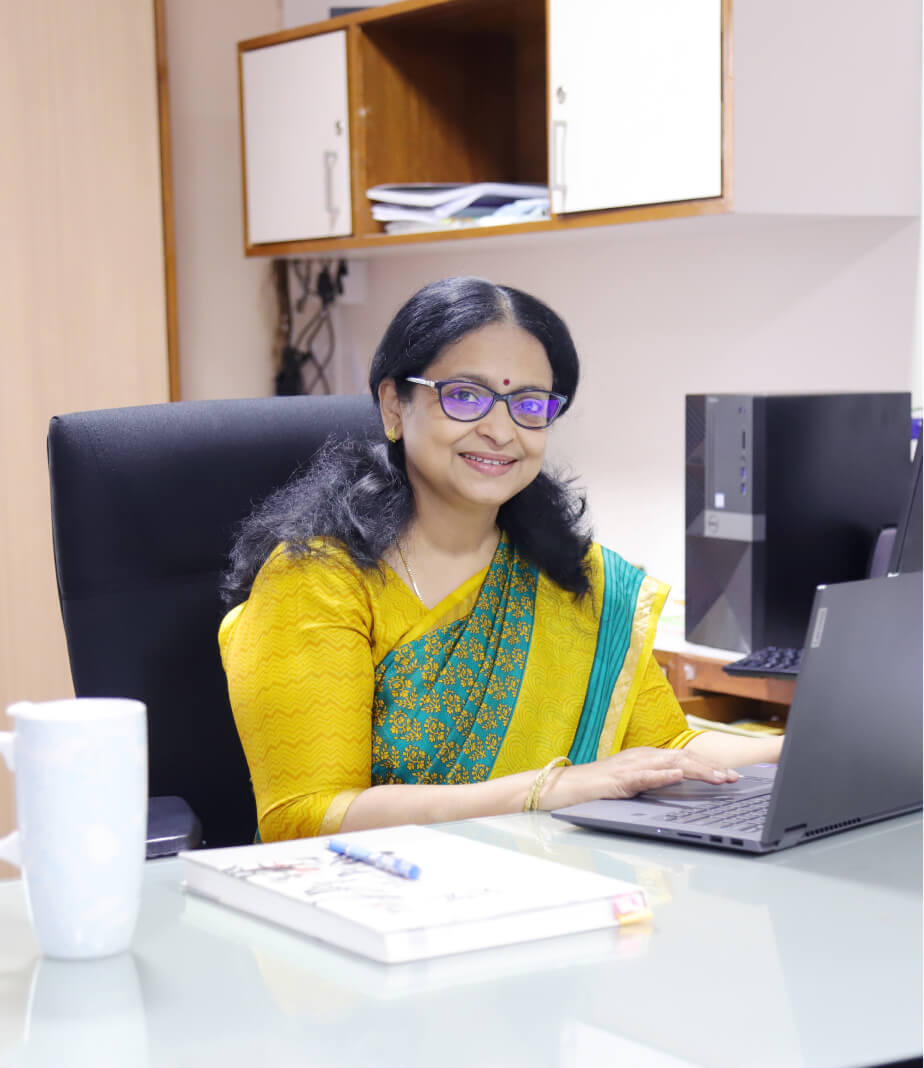
A Message from the MYP Coordinator
“The MYP encourages students to ask bold questions, embrace challenges and discover who they are as learners and individuals.”
Ms. Archana R. Singh
MYP Coordinator
The 24-Hour Growth Advantage
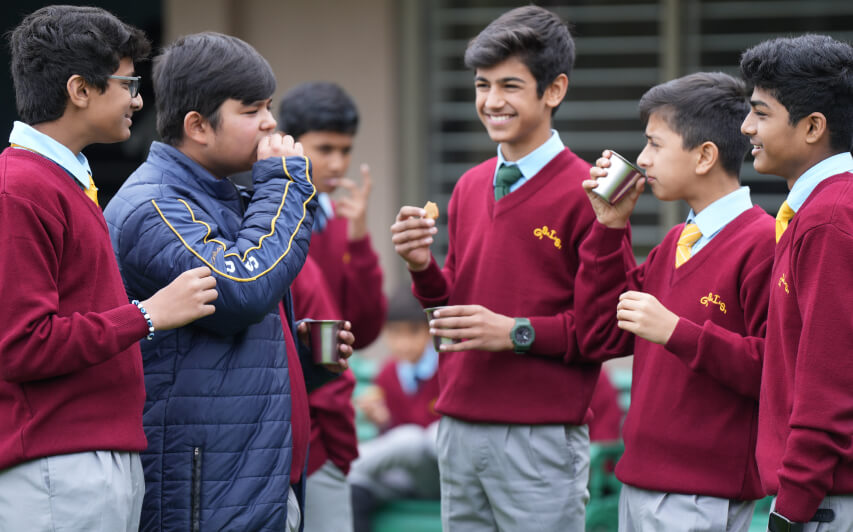
In a residential MYP, learning does not stop when the timetable ends. It continues during supervised study, on the field, in the boarding houses, at the dining table, in studios and in the quiet moments when a child learns to manage themselves.
A school teaches subjects. A thoughtfully designed residential programme gives young people the time and structure to practise life around those subjects.
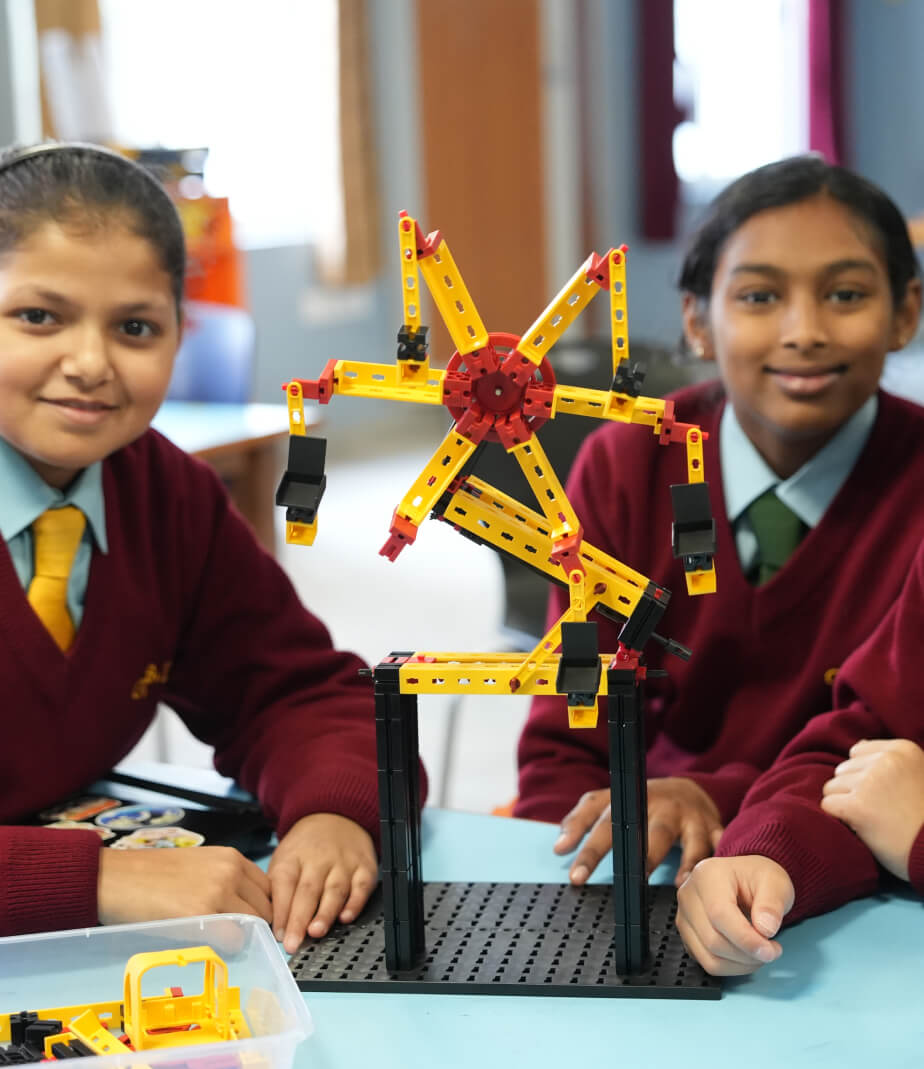
Students learn to manage time because the rhythm of the day requires it. They develop focus because mobile phones and social media have no place in campus life. They discover talents because sports, arts, STEM, music and public speaking are part of everyday life rather than activities squeezed into weekends.
They also develop courage through small, repeated experiences: asking for feedback, leading a group, trying again, performing, competing and reflecting.
The attributes of the IB Learner Profile and the Approaches to Learning are not confined to lessons. They are practised naturally through shared routines, responsibilities, conversations and relationships across residential life.
What the Programme Builds
Not Just Marks—Habits for Life
The IB Middle Years Programme teaches students to connect ideas, communicate clearly, manage themselves and apply their learning beyond the textbook. At GSIS, the residential schedule gives these skills the time to become lasting habits.
Conceptual Thinking
Students move beyond memorising information. They learn to ask better questions, explain connections and examine ideas across different contexts.
Communication
Reading, writing, speaking and listening become visible practices across every subject—not only in language lessons.
Self-Management
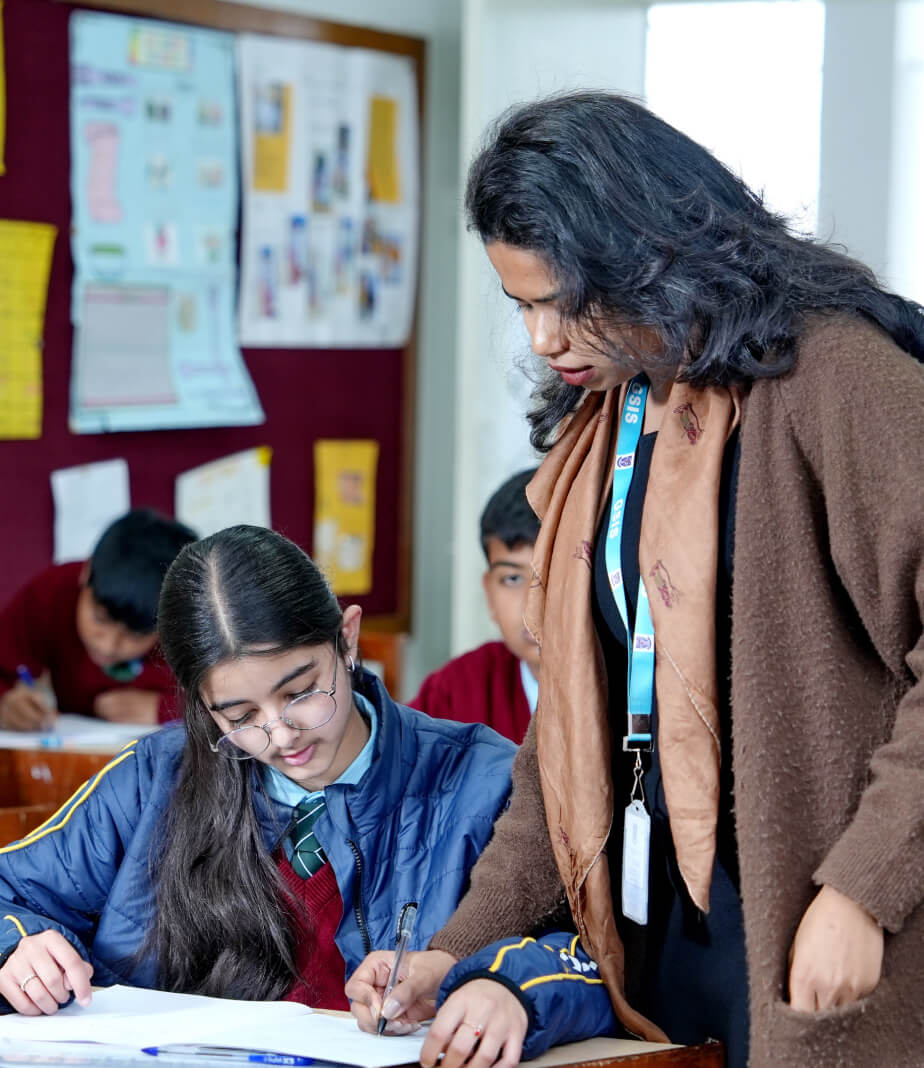
Students learn to organise their work, use supervised study time effectively, seek help and develop consistent study habits.
Interdisciplinary Learning
Students understand that real-world problems do not arrive neatly labelled by subject. They learn to transfer knowledge and skills across disciplines.
Agency
Students set goals, respond to feedback and reflect on their progress, gradually becoming owners of their own learning.
Learning That Connects
GSIS follows the complete IB Middle Years Programme framework across Grades 6–10.
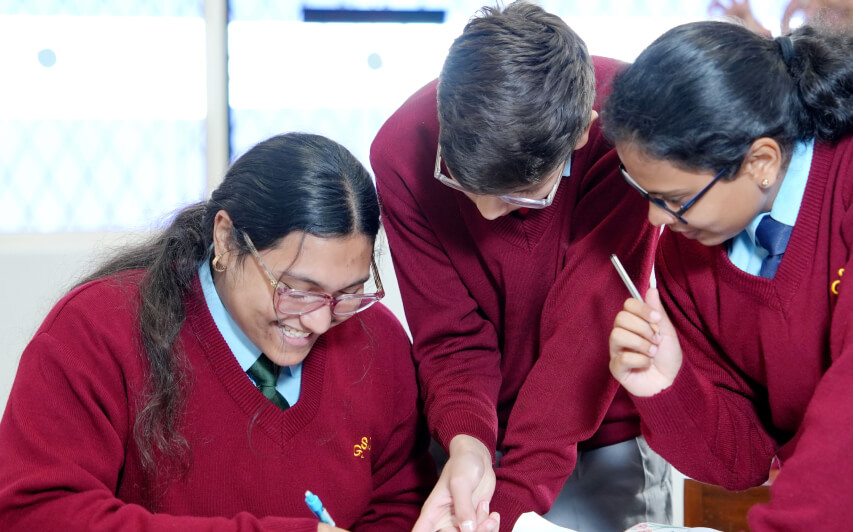
Inquiry lies at the centre of the curriculum. Students explore significant concepts, examine them through different subjects and apply their learning in meaningful contexts.
Interdisciplinary Units, Service as Action and the Personal Project help students understand that knowledge is connected to the decisions they make and the world in which they live.
Subject Groups in the MYP
- Language and Literature
- Language Acquisition
- Individuals and Societies
- Sciences
- Mathematics
- Design
- Physical and Health Education
- Arts
- Interdisciplinary Learning
Together, these subject groups provide academic breadth while allowing students to discover their individual interests, strengths and future pathways.
Assessment With Purpose
More Ownership. Less Cramming.
MYP assessment at GSIS is designed to make learning visible, authentic and useful to the student.
In the earlier MYP years, the programme is moving away from an excessive dependence on formal year-end examinations.
Student-Led Conferences held in December ask students to explain their learning, reflect honestly and establish meaningful goals. These are not merely rehearsed presentations. Students respond to questions from a panel, justify their reasoning and demonstrate that they can move beyond surface-level understanding.
Project-based interdisciplinary work in May gives students an opportunity to apply learning from across the academic year to real questions and challenges.
Mathematics and English use precise assessment structures that allow strengths and areas for improvement to be identified clearly. Arts and Design are also assessed seriously because creativity, experimentation and growth matter.
This does not lower academic rigour. It raises student ownership. A student learns more from demonstrating understanding, responding to feedback and improving their work than from simply preparing to survive a final examination.
Assessment in the Higher MYP Years
- Assessment in the higher MYP years prepares students for the standards and independence expected in the Diploma Programme.
- MYP 5 students undertake the Personal Project and ePortfolio with structured guidance from their facilitators. The work remains student-driven, internally assessed and externally moderated by the IB according to global standards.
- Students also undertake the MYP eAssessment in May. It evaluates conceptual understanding, critical thinking and the application of knowledge rather than relying primarily on memorisation.
Finding Their Academic Voice
In the middle years, language becomes the bridge between thought and confidence. Students learn not only what they think, but also how to communicate their ideas clearly, precisely and with evidence.
Deep Reading
GSIS places deliberate emphasis on deep reading. Sustained attention, interpretation and the ability to engage closely with a text matter more than ever in an age of rapidly available information and artificial intelligence.
Cross-Disciplinary Writing
Writing is developed across subjects because clear writing helps students reason, explain, analyse and evaluate.
Scaffolded Critical Thinking
Critical thinking is explicitly scaffolded, and students learn to seek and use feedback before final submission—while there is still time to strengthen their work.
The Bridge to the Diploma Programme
Designed, Not Assumed
A student joining the MYP at GSIS enters the middle stage of a coherent IB learning journey. Grade 11 should begin with confidence rather than a scramble to develop missing habits. That confidence is built through strong academic foundations, increasing disciplinary depth and sustained work on writing, thinking and self-management.
Earlier Academic Depth
Biology, Chemistry and Physics are taught as discrete sciences from MYP 3, helping students prepare gradually for the demands of the higher years.
Clearer Academic Signals
Focused assessment in Mathematics and English makes both skills and conceptual understanding visible in these foundational subjects.
DP Readiness
The MYP develops the writers, thinkers and self-directed learners that the Diploma Programme rewards.
Future Pathways Remain Open
Science and Mathematics remain mandatory through Grade 10, helping students retain a broad range of academic and career options.
The transition should feel like preparation—not panic.
AI Supports the Learner. It Does Not Replace the Teacher.
- Middle school students must learn to use technology wisely before technology begins to shape how they think and work.
- At GSIS, artificial intelligence is framed carefully—as a resource for thinking, planning and reflection, never as a shortcut around learning.
- A combination of AI-free, AI-integrated and AI-assisted tasks helps students understand when and how technology should be used.
Every task is guided by clear teacher expectations. - The teacher remains the guide and decision-maker at the centre of learning.
- Mobile phones and social media remain off-limits on campus. Laptops and digital tools are used purposefully and monitored appropriately.
- The goal is not to produce students who depend on technology, but learners thoughtful enough to use it responsibly.
The Nilgiris as a Living Classroom
GSIS is situated in the Nilgiris, within India’s first UNESCO Biosphere Reserve.
The landscape is not simply a backdrop to the school. It becomes part of the curriculum.
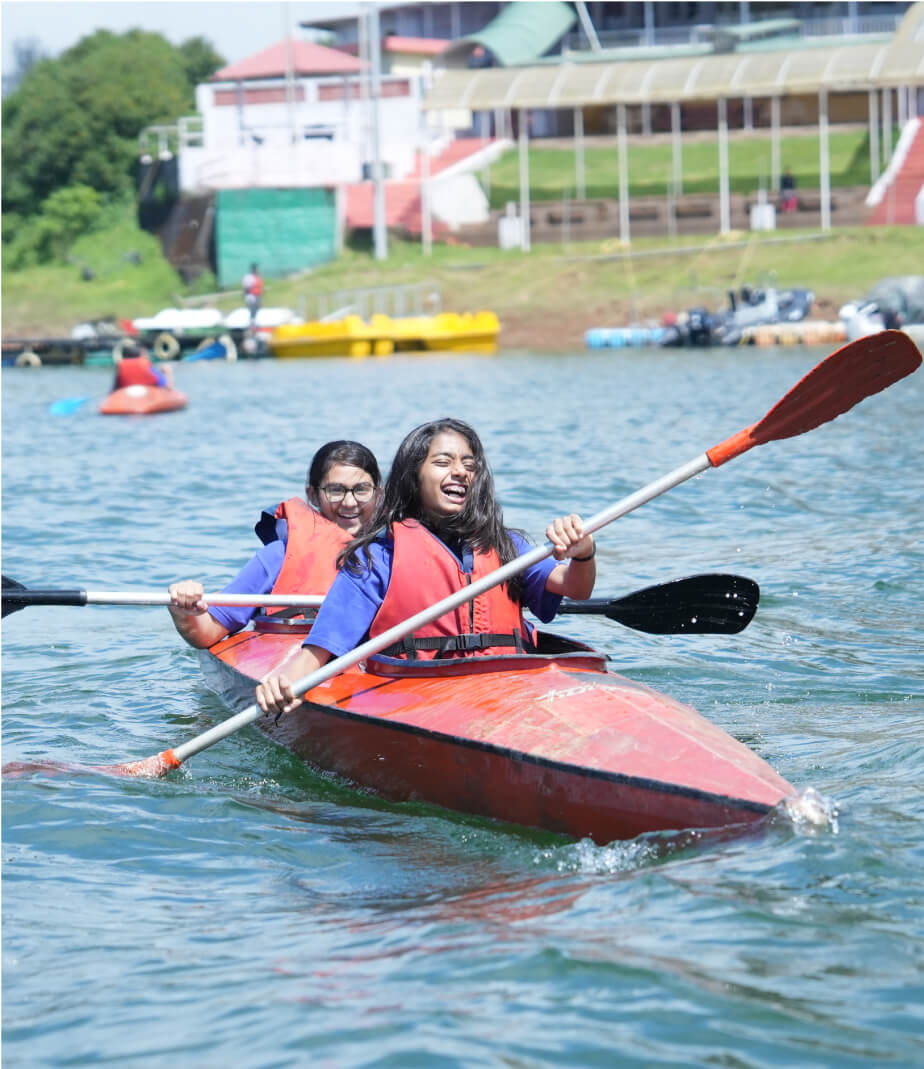
Through science, storytelling, environmental observation, adventure and community engagement, students learn to understand a place before they act within it.
This helps students approach service and environmental responsibility with knowledge, sensitivity and respect—not merely with good intentions.
The 150-acre campus provides a safe, spacious and inspiring environment where academic learning, wellbeing and character development can support one another.
Boarding That Builds Life Skills
Students live in a supportive and structured residential environment that encourages responsibility without expecting children to manage everything alone.
Teachers, house parents, mentors, residential staff and peers form a circle of daily support around each child.
Round-the-clock pastoral care ensures that students are guided, encouraged and known across different parts of their day.
Learning continues through house meetings, conversations with peers, shared responsibilities, supervised routines and evening reflection.
This is where independence, empathy, accountability, resilience and lifelong friendships gradually take shape.
A Day Designed for Balance
The residential schedule brings academics, creativity, physical activity, friendships and personal responsibility into one balanced rhythm.
8:45 AM – 3:45 PM
Academic sessions, inquiry, collaborative learning and subject-based exploration.
4:15 PM – 5:30 PM
Competitive sports, clubs, performing arts, design, STEM and creative workshops.
Evening
Supervised study, house routines, community time and reflection.
Weekends
Camping, service initiatives, workshops, social events, supervised adventures and time to rest and reset.
Prep routines help students use time effectively rather than postpone work. House life teaches collaboration and accountability in real situations. Teacher and peer feedback help students develop self-awareness and resilience.
The goal is not a child who is kept busy throughout the day.
The goal is a child who learns how to use the day well.
Beyond the Classroom
Talent can only be recognised and nurtured when the day has space for it.
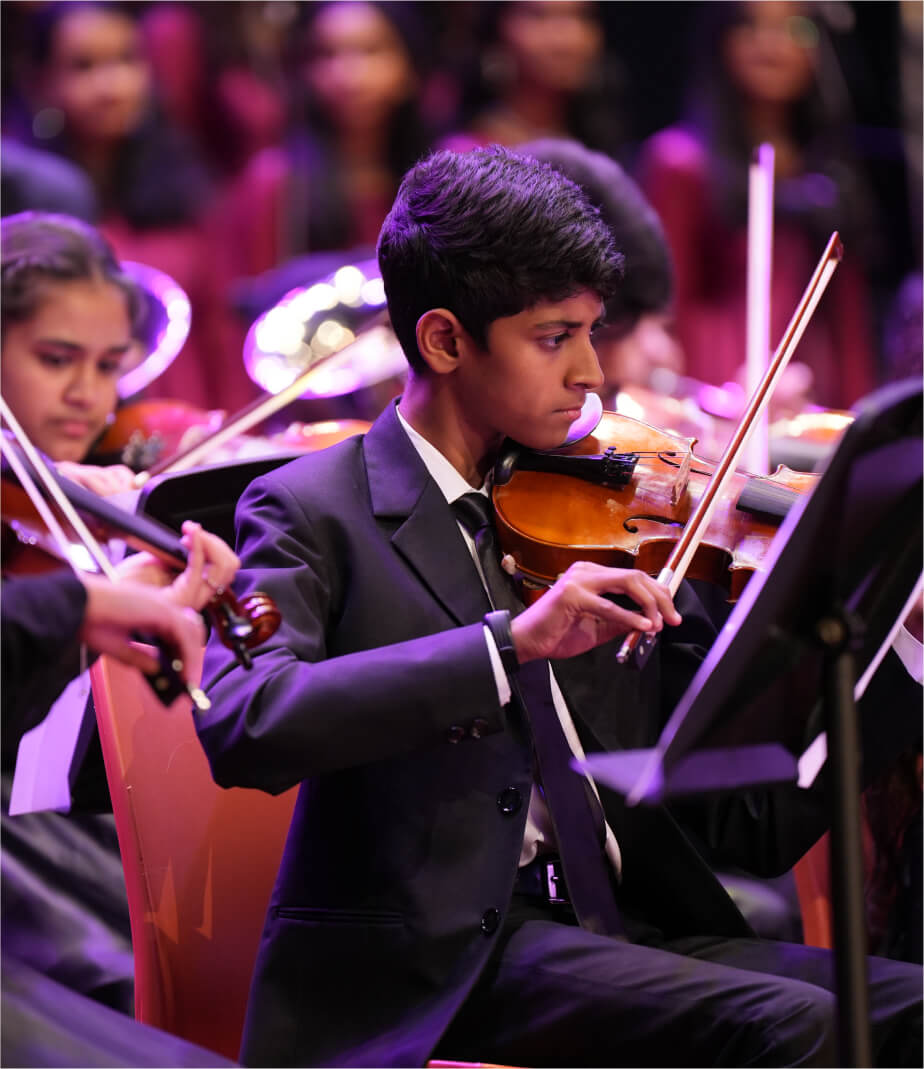
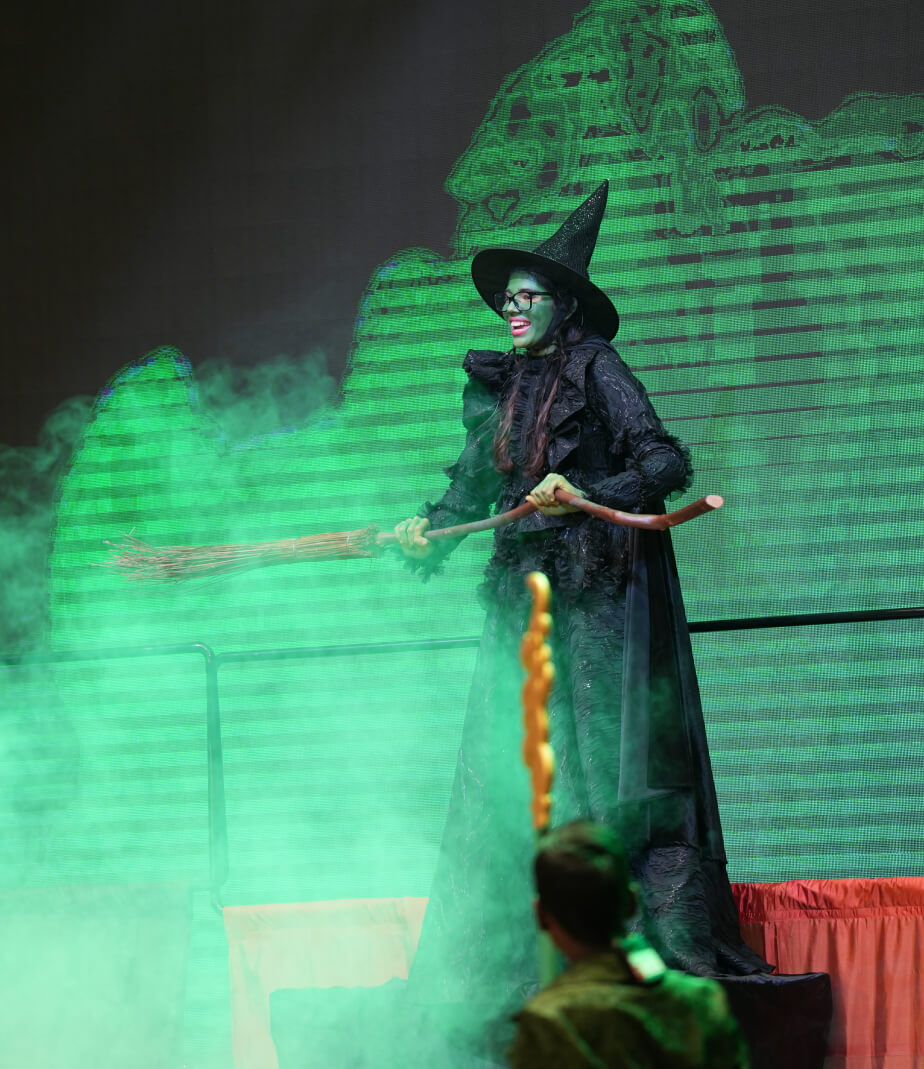
The residential model gives students regular access to sport, performance, music, design, robotics, STEM, debate, public speaking, service and leadership—not as occasional additions, but as part of everyday school life.
A child is therefore seen in more than one way: as a learner, teammate, performer, creator, friend and leader.
A student who is quiet in the classroom may discover confidence on stage, on the field, in a design studio or while leading a service initiative.
Passion Becomes Practice
With access to specialised facilities, professional coaching and experienced mentors, interests have the opportunity to develop into meaningful pursuits.
Leadership Begins with Responsibility
Leadership is part of daily life through boarding responsibilities, house roles, student councils, clubs, collaborative projects and Service as Action. Students learn to make decisions, work with others and remain accountable for the responsibilities they accept.
A Global Mindset, Practised Daily
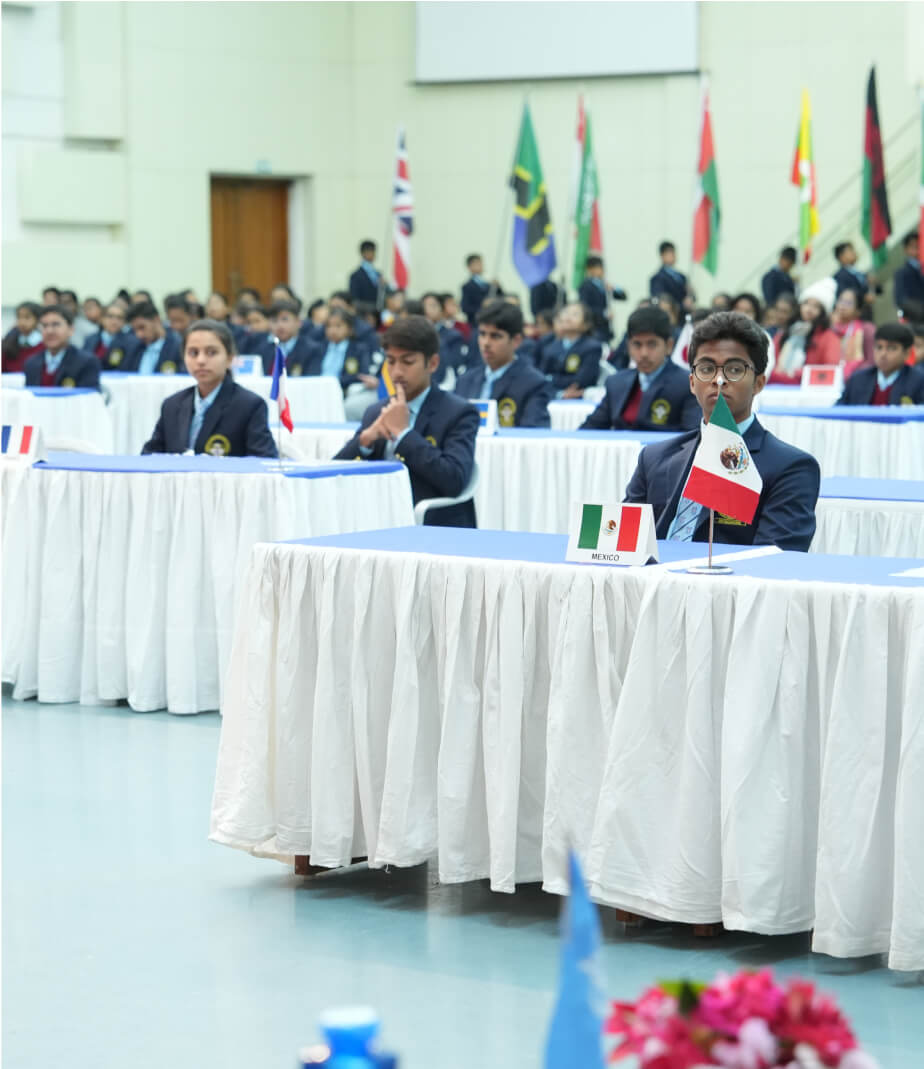
Language learning, intercultural events, Model United Nations, international exchanges and a diverse residential community help students understand perspectives beyond their own. Open-mindedness and empathy are not discussed only as abstract values. They are practised through the ordinary experience of learning and living with people from different backgrounds.
Inclusive Education at GSIS
Every learner brings a unique combination of strengths, challenges, interests and perspectives.
GSIS is committed to creating an environment where students feel seen, supported and able to participate meaningfully in academic and residential life.
Inclusion is built through empathy, equity and collaboration between students, parents, teachers, coordinators and specialist staff.
Supporting Different Learning Needs
The Special Educational Needs Department supports students whose learning differences may affect their educational experience.
Working in partnership with teachers, coordinators, parents and students, the department helps develop individual strategies, accommodations and interventions that make learning more accessible and meaningful.
Support may address academic, behavioural or emotional needs. The goal is to help every student build confidence, independence and a strong sense of self-worth.
A Note from the Special Educator
“Inclusion is not only about access. It is about understanding how each child learns and creating a genuine sense of belonging.”
The Numbers That Stand Out
Structure matters deeply during the middle years. These figures represent the ecosystem that helps a child use time well, stay engaged and discover more of who they are.
24/7
Residential care, medical support and supervised routines.
44+
Co-curricular programmes across arts, sports, creativity and leadership.
15
Competitive sports supported by professional coaching
95%+
Residential staff living
on campus.
71%
Students who rated teacher support four or five out of five.
79%
Teachers who integrated real-world assessment tasks.
For parents of middle school students, reassurance is not an additional feature.
It is the foundation of trust.
Questions Parents Ask
These are the years when time, routines, friendships and daily habits shape a child significantly. At GSIS, the full day is structured to help students study, play, create, reflect and grow with consistent adult guidance.
A residential school does not replace the parent. It adds a circle of everyday support. Teachers, house parents, mentors and peers see the child in different contexts and help them develop age-appropriate independence.
The MYP is academically rigorous, but its rigour lies in thinking, writing, application, communication and reflection. Students are assessed through defined criteria, feedback and structured tasks. They learn to understand and demonstrate their learning rather than depending primarily on last-minute memorisation.
Yes. This is one of the strongest advantages of a residential MYP. Students do not need to wait for weekends or travel across a city to access sport, music, theatre, STEM, design or public speaking. Opportunities are part of their regular school experience.
One Vision.
Multiple Academic Pathways.
GSIS offers complementary curriculum pathways designed around different student goals and learning needs.
ICSE
A strong foundation grounded in academic depth and comprehensive subject learning.
Cambridge IGCSE
An internationally recognised curriculum that develops knowledge, application and global perspectives.
Approaching 50 Years of Excellence
The Middle Years Programme at GSIS gives students the structure to focus, the space to discover their talents, the confidence to use their voice and the discipline to prepare for what comes next.
It is not simply a middle school programme delivered within a residential setting. It is the middle years designed purposefully—challenging, relational, balanced and full of possibility.
HOW TO APPLY
Admission Process
Inquiry
Procedure
Assessment
and Aptitude Test
Confirmation
Payment